There’s a particular kind of woman who heads a family and you only really see her properly once she’s gone.
Mal’s mum died on the 26th of May. Her name was Delia, Delia Mary Garnett, born O’Connor in Gateshead in 1942 and as a family we officially say goodbye to her today. It’s been hard to put this post together because how do you write about a woman who never struggled to know what to say herself?
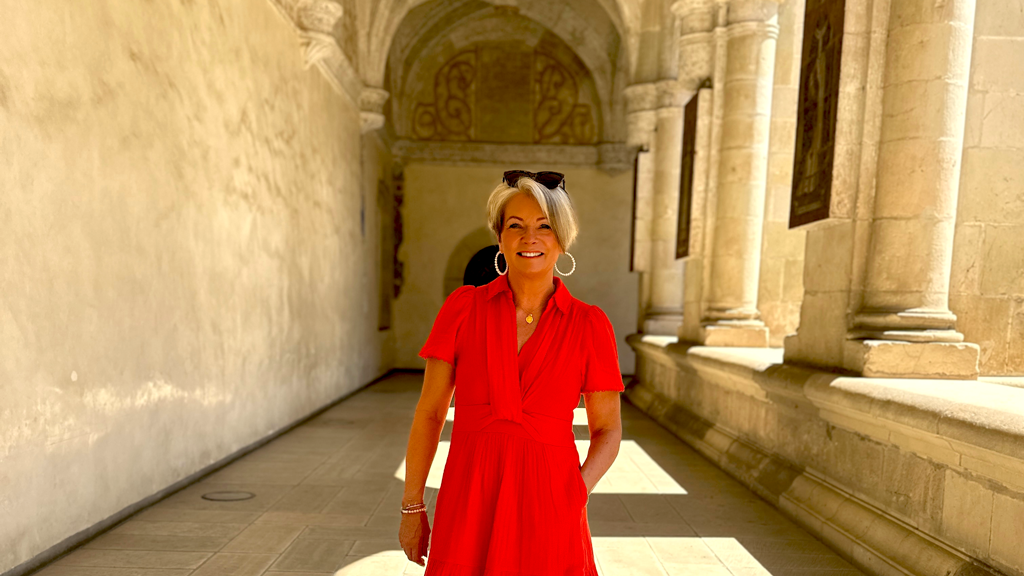
I’m not her daughter, and that needs to be clear from the start because it changes the angle I’m writing from. The grief that belongs to Mal and to his brothers is theirs and it isn’t mine to tell. What I had with Delia is something a lot of women will recognise: I married into her family and she decided, when we met, that I was now one of hers. That’s a specific thing an older woman can do and almost nobody talks about it.
Being welcomed by someone else’s mother
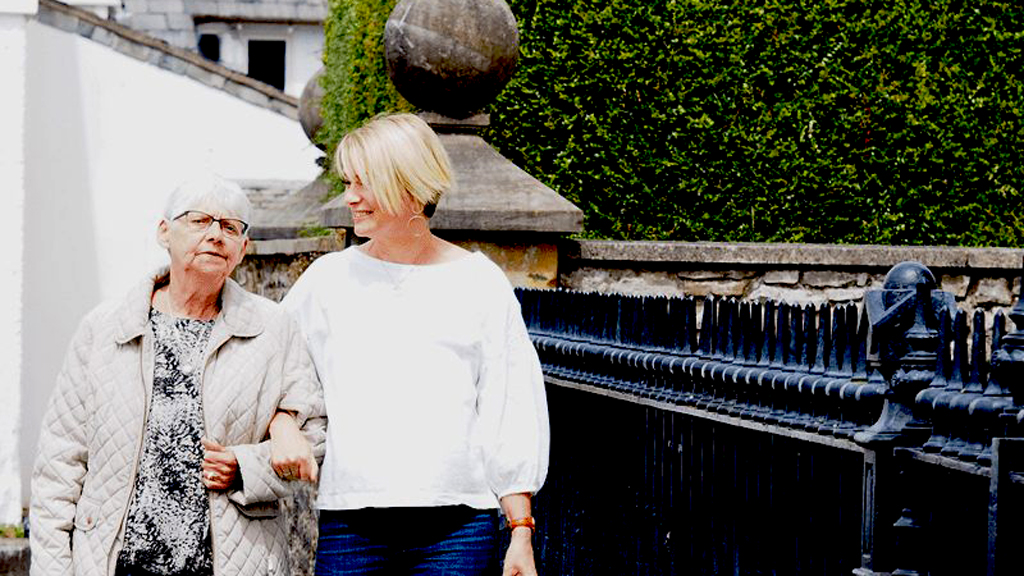
I met Delia as the girlfriend, then the fiancée, then the wife. In some families there’s a frosty approval process that goes on for years. You’re tolerated, assessed, seated slightly to the side at family events. Delia did none of that, she took one look at me, decided I’d do and folded me in.
Arriving into the family with a child of my own I was aware that perhaps I wasn’t the obvious choice. And I always knew that she would have preferred somebody local who was more homely and less career-focussed but she welcomed me anyway, just as she welcomed my tiny son – with her arms and heart wide open. I didn’t appreciate at the time how much skill that takes. But she had a lifelong gift for making anyone feel welcome wherever she happened to be and she used it on me in the way she used it on everyone – a waitress, the woman next to her at a wedding, the stranger who joined her day club not knowing a soul. She’d have them laughing within five minutes and telling her their life story within ten.
She wasn’t soft about it though. Delia would tell you exactly what she thought and she didn’t soften it for your comfort – she had the same approach as her own mum and together they were formidable. If your hair didn’t suit you, you’d hear about it; if you’d put on weight there was no hiding it. For a younger woman coming into a family that could have been terrifying and at first it often was. But the forthrightness and the warmth were two sides of the same thing. She told you the truth because she’d decided you mattered enough to be told it. Being told off by Delia, I grew to understand, was a sign you were ‘in’.
What a matriarch actually does
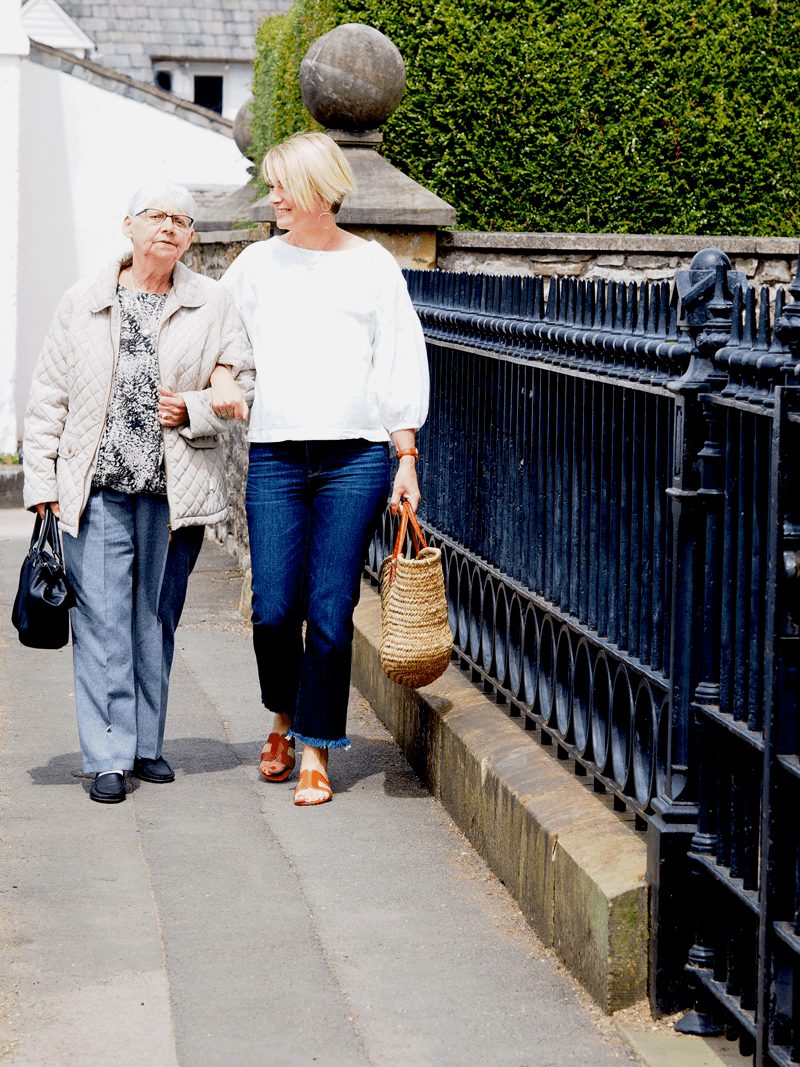
We use the word matriarch and picture someone stately, a Victorian woman at the head of a long table. But Delia’s real work looked nothing like that. She was the one who knew things. Not facts you could look up but the load-bearing knowledge that holds a family together. Who wasn’t speaking to who and why… which of the grandchildren was having a hard time… the names of half cousins ten times removed. For years she carried the whole map of the family in her head, the part nobody draws anywhere and the rest of us could dip in and out precisely because she was doing all of that reference work.
The dementia of her last few years saw her begin to loosen her grip on some of it. She was only partway along that road and on a good day you’d hardly have known but we’d started to lose the odd name, dates, the small reliable certainties you assume will always be there. That’s partly why the loss feels to me like something that began before she died. You don’t see what’s holding everything up until it starts to give.
And there’s a sentimental version of this tribute I won’t write. Delia was not a homemaker and she’d be furious if I made her into one. Cooking and cleaning and keeping a lovely house were not something she loved. What she ran wasn’t the house, it was the family – the sense that there was a centre and that the centre was strong.
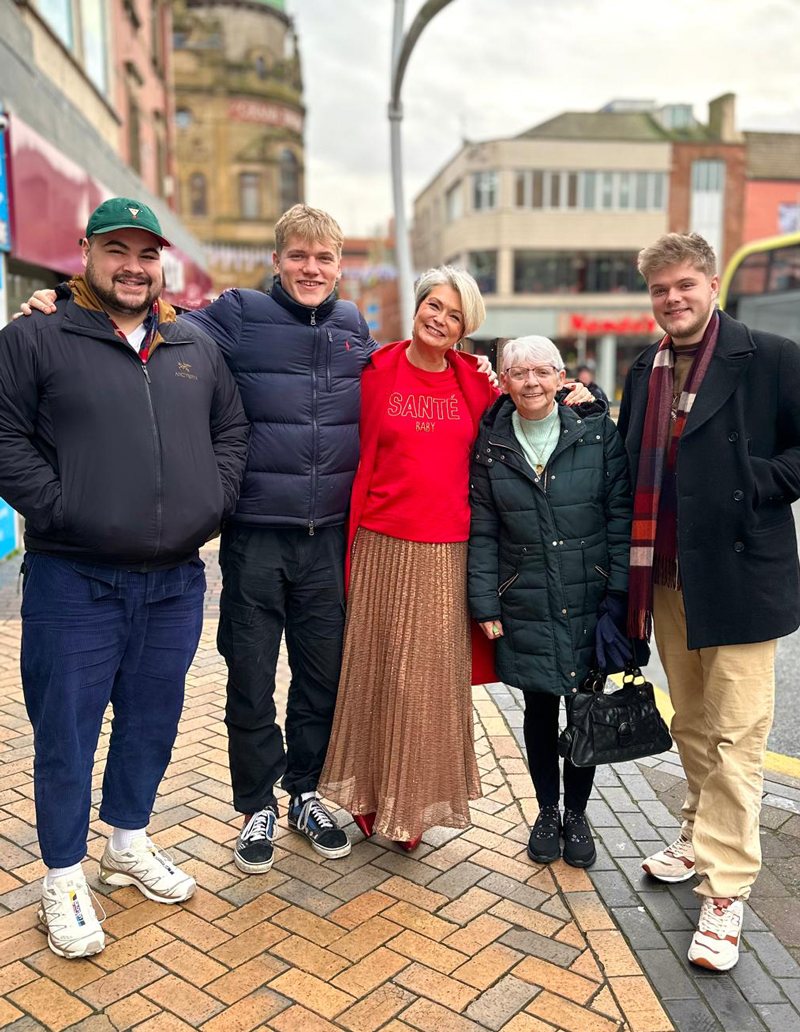
The strongest woman I've ever met
I don't use that phrase loosely. I've met a lot of impressive women in my life and my career and Delia is one I'd put at the top.
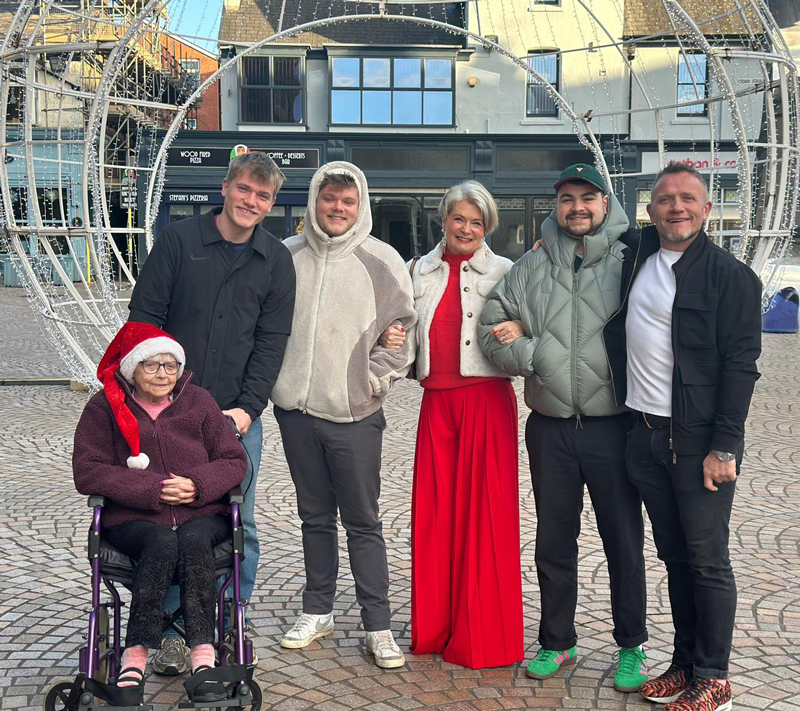
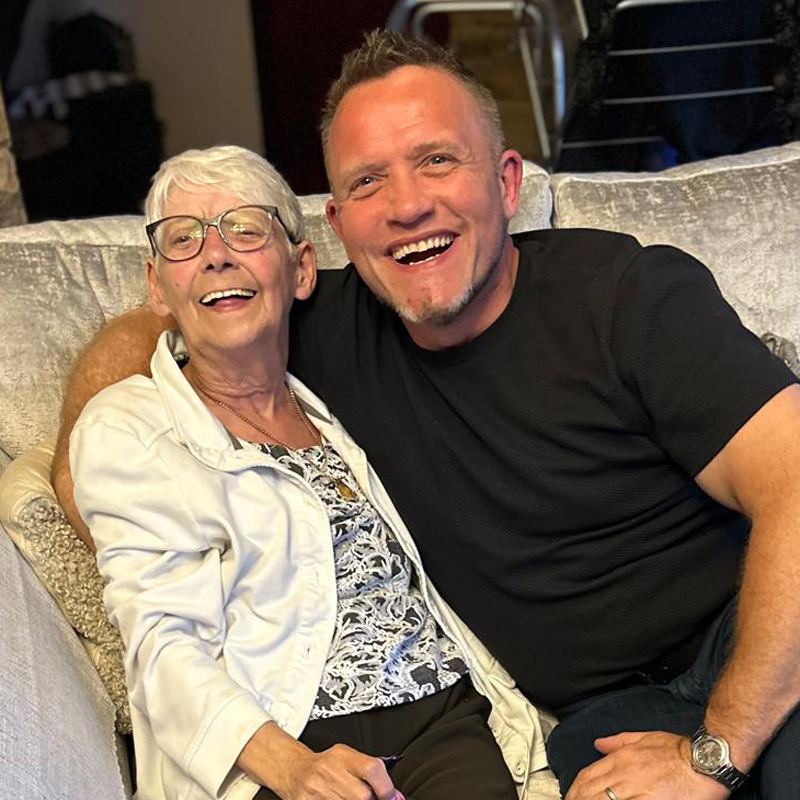
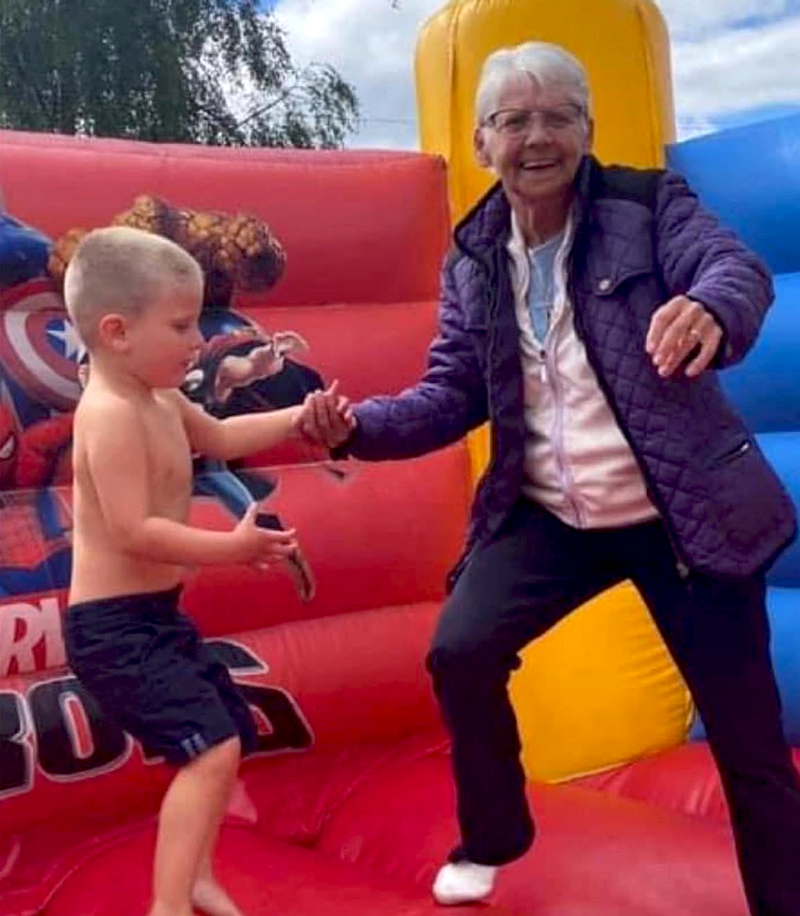
She buried four of her own children. Four. And she lost the husband she loved so very, very much. Somehow she carried all of that for decades and did it while remaining the life and soul of any party or dayroom she walked into. That's something I will always come back to when I think of her. Not that she survived terrible loss, though she did, but that she came out at the other side still able to be the most fun person in the room, still able to dance, still able to make a stranger feel like the most welcome person in the building (this was taken just after her eightieth birthday!).
That's the stoic strength that working-class women of her generation had and I think it's going undocumented as they leave us. She looked, from the outside, like an ordinary woman getting on with an ordinary life. But getting on with it, finding the positive, refusing to let the worst thing that ever happened to you become the only thing about you, that is not ordinary. It only looked ordinary because so many women of her age managed it that we stopped noticing.
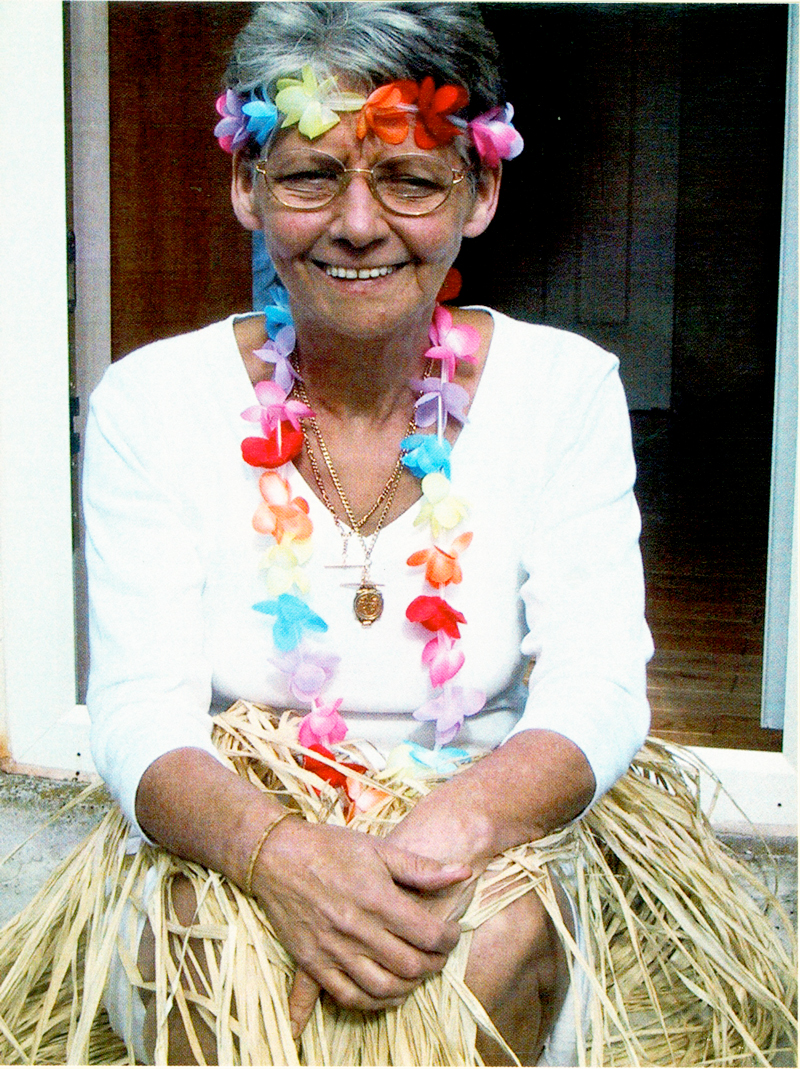
What I'm inheriting
As you know I turn sixty next May and I've been starting to write about what it means to gear up to a number that's supposed to be a full stop and isn't. One thing I hadn't reckoned on is this happening - the bit where you look up and realise you're next. Not next to go (although there is that) but next to hold.
For most of my adult life there's been a generation of women above me doing the holding, the ones who remembered the dates and kept the family map and knew exactly who needed taking aside. You assume, without deciding to, that they'll always be up there. Then one phone call changes everything and you understand that the role either moves down a generation - or it's lost forever.
In my own family I'm the youngest, I have a big sister who now handles all of this. But where do you stand in an 'in-law' family of men who don't have partners to take on the role? Delia made it look effortless and I'm under no illusion that I could do it as well. But her lessons were: take people under your wing, tell them the truth because they matter, keep the centre, find the positive... not because hard things don't happen but because somebody has to steer everyone towards the next good day.
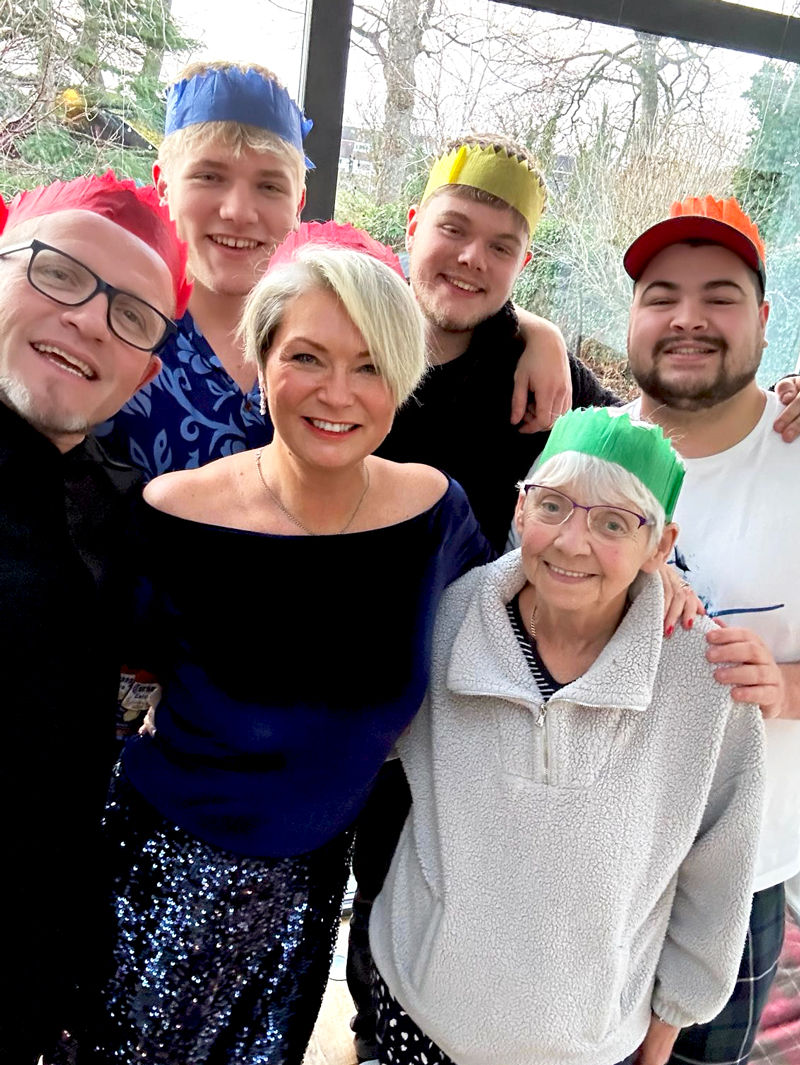
If you still have your matriarch...
Take down all of the family information, the history and the stories, make sure there's a record of where you all came from and how you all came about. And notice what she actually does, the one in your family who holds it all together, while she's still doing it. Not the casseroles if she even makes them but the way she just 'knows'. That matriarchal insight is valuable and it's the one thing that can't be left in a will. It only transfers if you let her hand it over and the opportunity for that can close sooner than you think.
Delia handed me more than I understood at the time. The wing she put around a nervous young woman twenty eight years ago turned out to be a tutorial for the future and I was too busy being looked after to notice I was being taught. She was showing me how to welcome my own daughters-in-law into the family one day and yes, she taught me by her errors too but her warmth is the over-riding lesson.
So today we say goodbye to her properly, the life and soul of the party to the end, a warm, strong, forthright Geordie woman who lived an extraordinary life by the simple, impossible act of getting on with it and finding the good. It's down to the rest of us to pick up the map she drew and try to keep the centre where she left it.